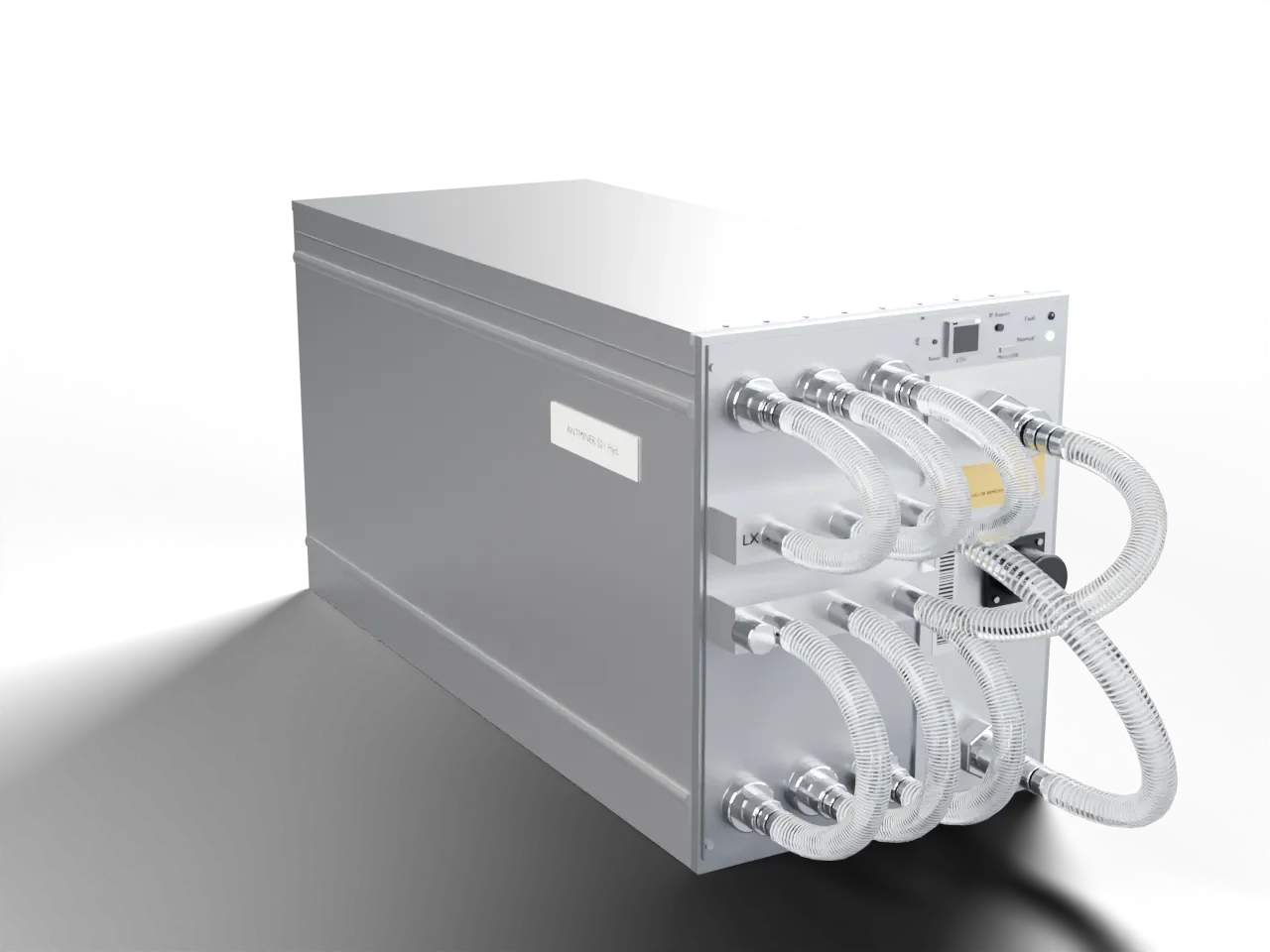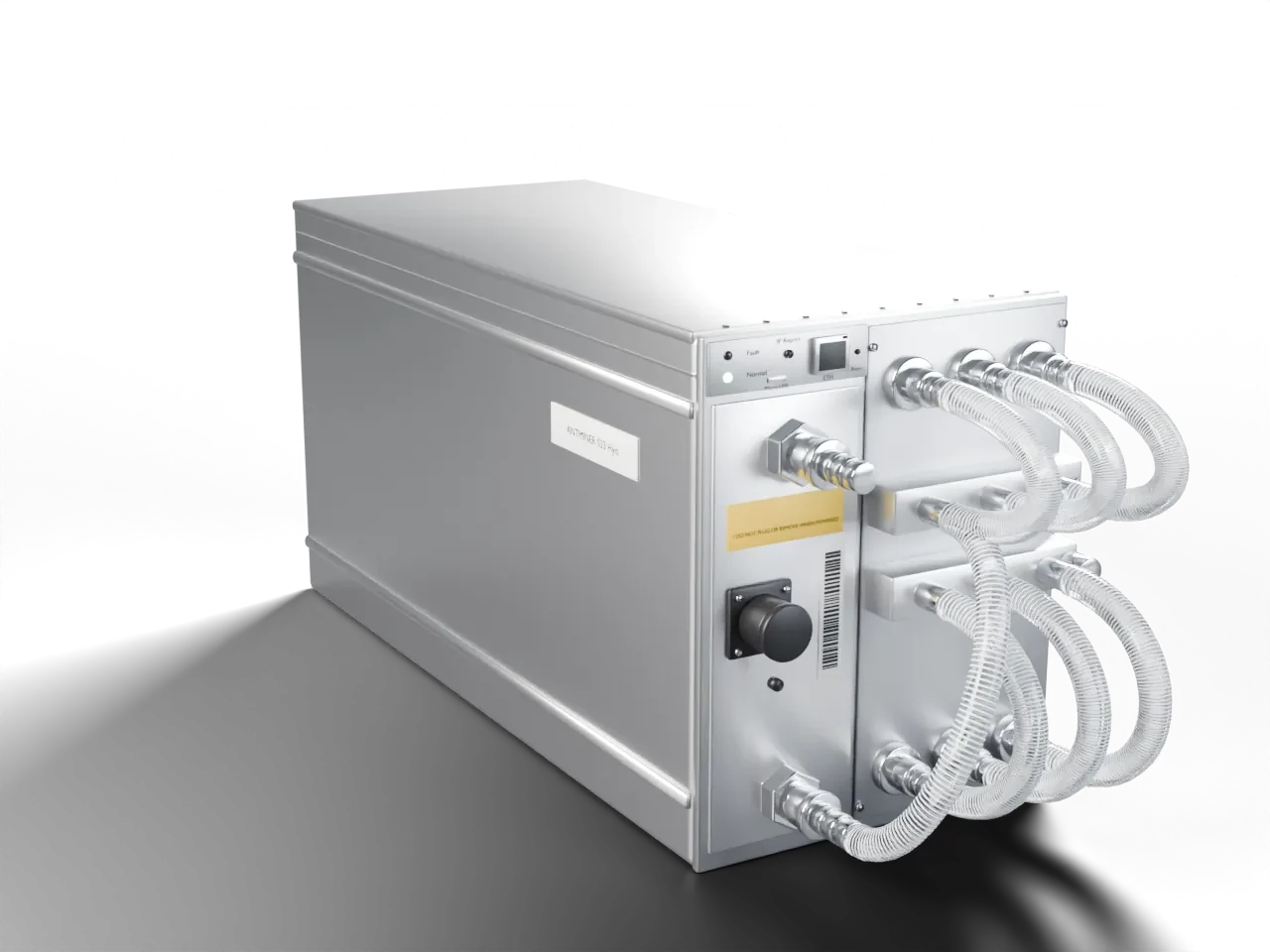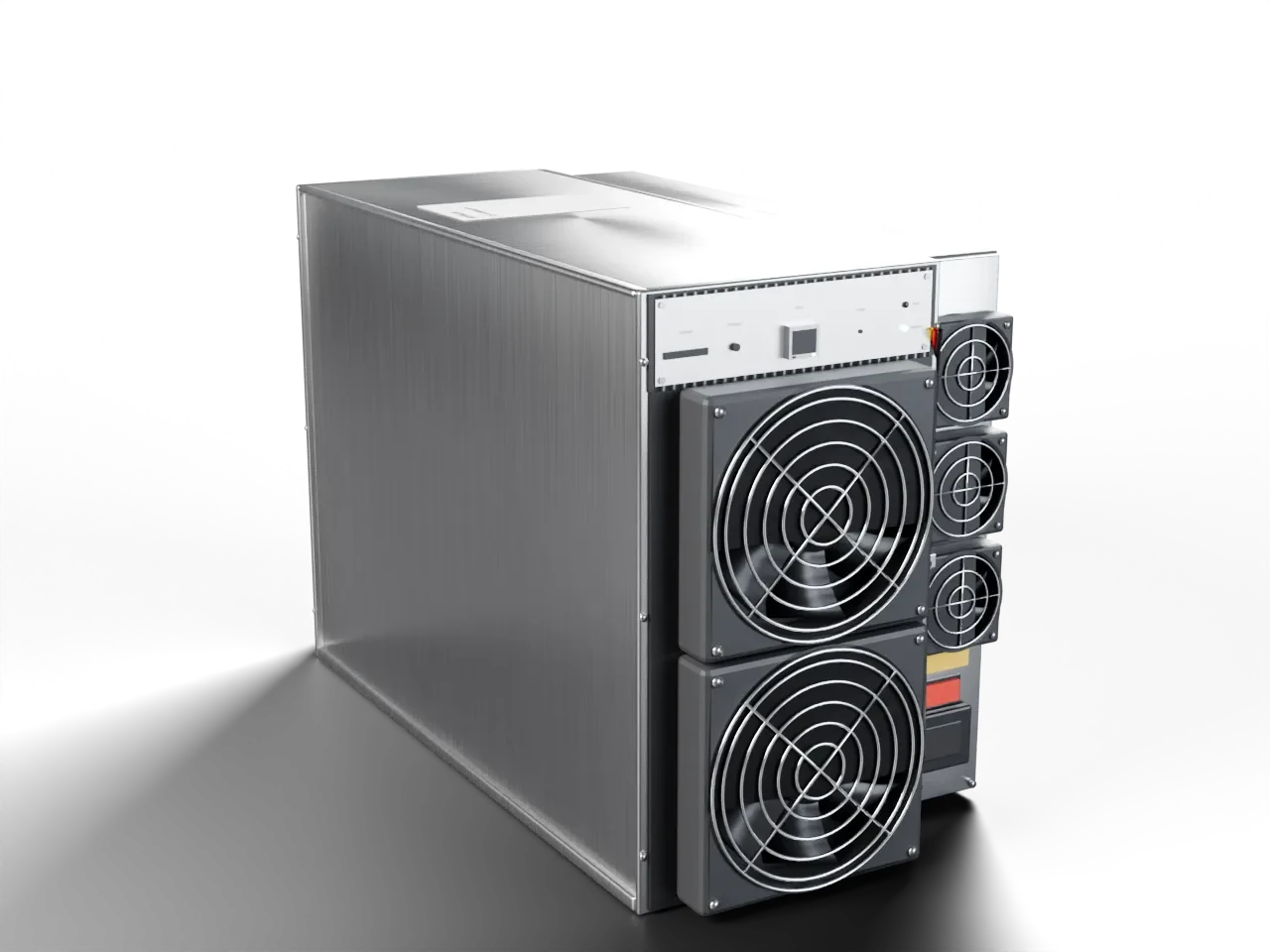
If you only watch one number as a Bitcoin miner, make it hashprice. Bitcoin's price tells you what a coin is worth; hashprice tells you what your machines are worth per day. It is the figure that decides whether a container should run or sit idle, whether an old S19 is worth repairing, and how much a hosting contract can realistically pay back.
What hashprice means
Hashprice is the revenue a miner earns for one unit of hashrate over one day. The industry quotes it in US dollars per petahash per second per day ($/PH/s/day), and sometimes in BTC per petahash per day. One petahash is 1,000 terahash, so a machine rated at 234 TH/s is 0.234 PH/s.
The idea is simple: every day the Bitcoin network pays out a fixed number of coins (the block subsidy) plus whatever transaction fees were included in blocks. That daily pot is shared across all the hashrate competing for it. Divide the pot by the hashrate and you get the revenue per unit of hashrate: hashprice.
How hashprice is calculated
In plain words:
Hashprice = (daily block subsidy + daily fees, in BTC) × BTC price ÷ network hashrate
Today the subsidy is 3.125 BTC per block, which is roughly 450 BTC per day at 144 blocks. Fees add a little on top: in the last week of September 2026 they were only about 0.7% of block rewards. With the network at roughly 950 EH/s (950,000 PH/s), the maths gives you a number close to $40 per PH/s per day at a Bitcoin price of about $83,000.
The same number in BTC terms is about 0.00048 BTC per PH per day. The BTC-denominated hashprice is worth tracking separately: it only changes when hashrate or fees change, not when the dollar price moves, so it tells you whether mining is getting more competitive regardless of the market.
Where hashprice stands right now
As of 28 September 2026 (Hashrate Index data):
- Hashprice: $39.87 per PH/s per day (30-day average $39.29)
- Bitcoin price: about $83,500
- Network hashrate: 952 EH/s (7-day average)
- Difficulty: 132.76 T after a +4.16% adjustment on 19 September
- Transaction fees: 0.70% of block rewards
- Forward market: about $38 per PH/s per day expected over the next six months
For context, hashprice dipped into the high $20s in June 2026 when Bitcoin fell toward $63,000, a level widely described as gross breakeven for higher-cost operators. It has since recovered with the price, but it remains far below the $60–100 levels seen before the 2024 halving.
What moves hashprice
Four things, and only four:
- Bitcoin price. The most visible driver. A 10% move in BTC is a 10% move in dollar hashprice, all else equal.
- Network hashrate and difficulty. More machines online means the same daily pot is split more ways. Hashrate has roughly tripled since early 2024, which is why hashprice keeps sliding even in months when the price goes up.
- Transaction fees. A bonus that spikes during on-chain congestion and fades in quiet periods. At under 1% of rewards today, fees are negligible; during the 2024 inscription rush they briefly exceeded the subsidy.
- Halvings. Every four years the subsidy is cut in half. The next halving, expected around April 2028, takes it from 3.125 to 1.5625 BTC per block. At a constant price and hashrate, hashprice halves overnight.
From hashprice to dollars per machine
This is where the number becomes useful. Multiply hashprice by your machine's hashrate (in PH/s) to get gross revenue per day, then subtract electricity. The table below uses $39.87 per PH/s per day and manufacturer-rated specs, at three electricity prices typical of hosted mining.
Machine (rated)         TH/s   J/TH  Rev/day  Margin @4¢  @6¢    @8¢    Breakeven
Antminer S19j Pro        104   29.5   $4.15    +$1.20   -$0.27  -$1.74   5.6 ¢/kWh
Antminer S19 XP          140   21.5   $5.58    +$2.69   +$1.25  -$0.20   7.7 ¢/kWh
Antminer S21             200   17.5   $7.97    +$4.61   +$2.93  +$1.25   9.5 ¢/kWh
Antminer S21 Pro         234   15.0   $9.33    +$5.96   +$4.28  +$2.59  11.1 ¢/kWh
Antminer S21 XP          270   13.5  $10.76    +$7.27   +$5.52  +$3.77  12.3 ¢/kWh
Antminer S21 Hydro       335   16.0  $13.36    +$8.21   +$5.64  +$3.07  10.4 ¢/kWh
Antminer S21 XP Hydro    473   12.0  $18.86   +$13.41  +$10.69  +$7.96  13.8 ¢/kWh
Antminer S23 Hydro       580    9.5  $23.12   +$17.83  +$15.19 +$12.55  17.5 ¢/kWh
Margins are electricity only. Hosting fees, pool fees and repairs come on top.
Three things jump out:
- An S19j Pro only makes money below about 5.6 cents per kWh. At a typical 6-cent all-in hosting rate it is already slightly negative before any other cost.
- Moving from an S19 XP to an S21 Pro roughly doubles the daily margin at the same power price, because the S21 Pro does more work per watt (15 J/TH versus 21.5 J/TH).
- The newest hydro machines keep a comfortable margin even at 8 cents, which is why the fleet replacement cycle is accelerating despite the weak hashprice.
Energy hashprice: revenue per megawatt-hour
Site operators think in megawatts rather than terahash, so Hashrate Index also publishes an "energy hashprice": how many dollars one MWh of electricity generates once it has been turned into hashes. At the end of September 2026 that was about $138 per MWh for machines under 14 J/TH, $100 for 14–19 J/TH, $75 for 19–25 J/TH and $52 for 25–38 J/TH.
Read it as a price ceiling: if your delivered electricity costs more than that, the machine class loses money. A site paying $60 per MWh (6 cents per kWh) can run anything under about 19 J/TH profitably, but its S19-class machines are marginal.
What to do with the number
- Curtailment decisions. When hashprice falls below a machine's breakeven, the right call is to switch it off and keep the power for better machines, or sell the power back to the grid where that is possible.
- Repair or replace. A hashboard repair on an S19 is only worth it if the machine clears breakeven with margin for the next 12 months. On an S21 or newer, repairs almost always pay back within weeks. Our repair pricing is per board precisely so you can run that calculation.
- Choosing a hosting site. Hashprice does not care where you mine, but electricity price does. The gap between a 4-cent and an 8-cent site is the entire margin of an S21. When you compare hosting offers, compare the all-in cost per kWh, uptime guarantees and curtailment terms, not the headline rate.
- Pool choice. Pool fees come straight off hashprice. A 2.5% fee on a fleet of 1,000 S21 Pros is about $230 per day. See how our mining pool publishes its fees and payouts.
Frequently asked questions
Is a higher hashprice always better for miners?
Yes for existing fleets. But a higher hashprice attracts new hashrate, which raises difficulty and pulls hashprice back down over the following weeks. That is why the long-term trend is downward even in bull markets.
Why does my pool show a different number than Hashrate Index?
Pool dashboards usually show your actual earnings, which include pool fees, luck (for PPLNS pools), and your machines' real hashrate rather than the rated one. Hashprice is the theoretical gross figure before all of that.
Where can I see hashprice live?
Hashrate Index (Luxor) publishes the reference index for free. Several pools, including the Ordina dashboard, display an "expected earnings" figure per TH that is derived from the same inputs.
Running the numbers for your fleet?
We host, operate and repair ASIC fleets in the United States and Ethiopia and publish our sites' hashrate, power draw and uptime on our live operations page. If you want a breakeven analysis for your own machines at our power prices, talk to our team.
Sources: Hashrate Index roundup, 28 September 2026; The Block, "Bitcoin mining difficulty drops 10% in second-largest negative adjustment of 2026" (June 2026); manufacturer rated specifications. Figures change daily; check the live index before making decisions.