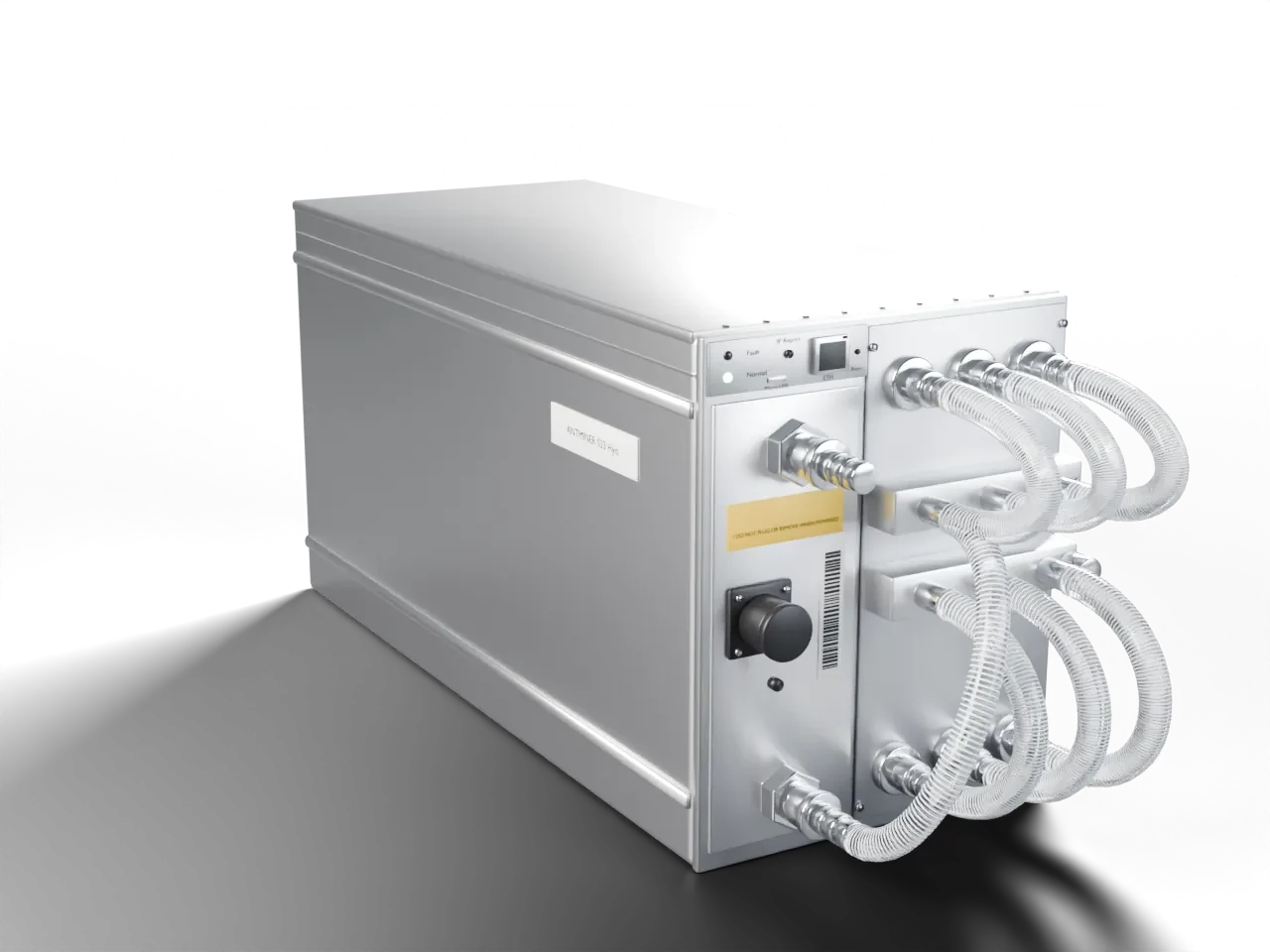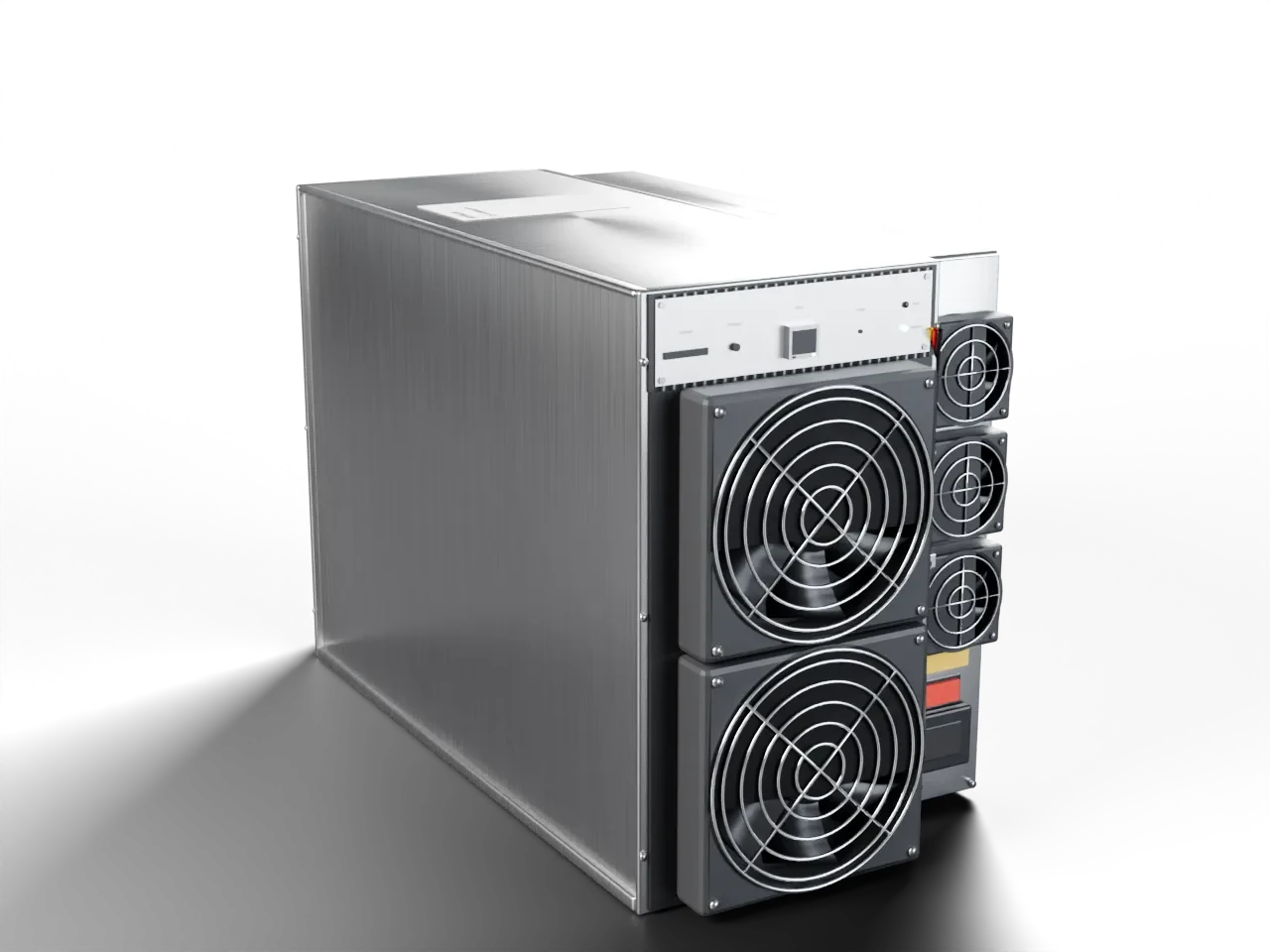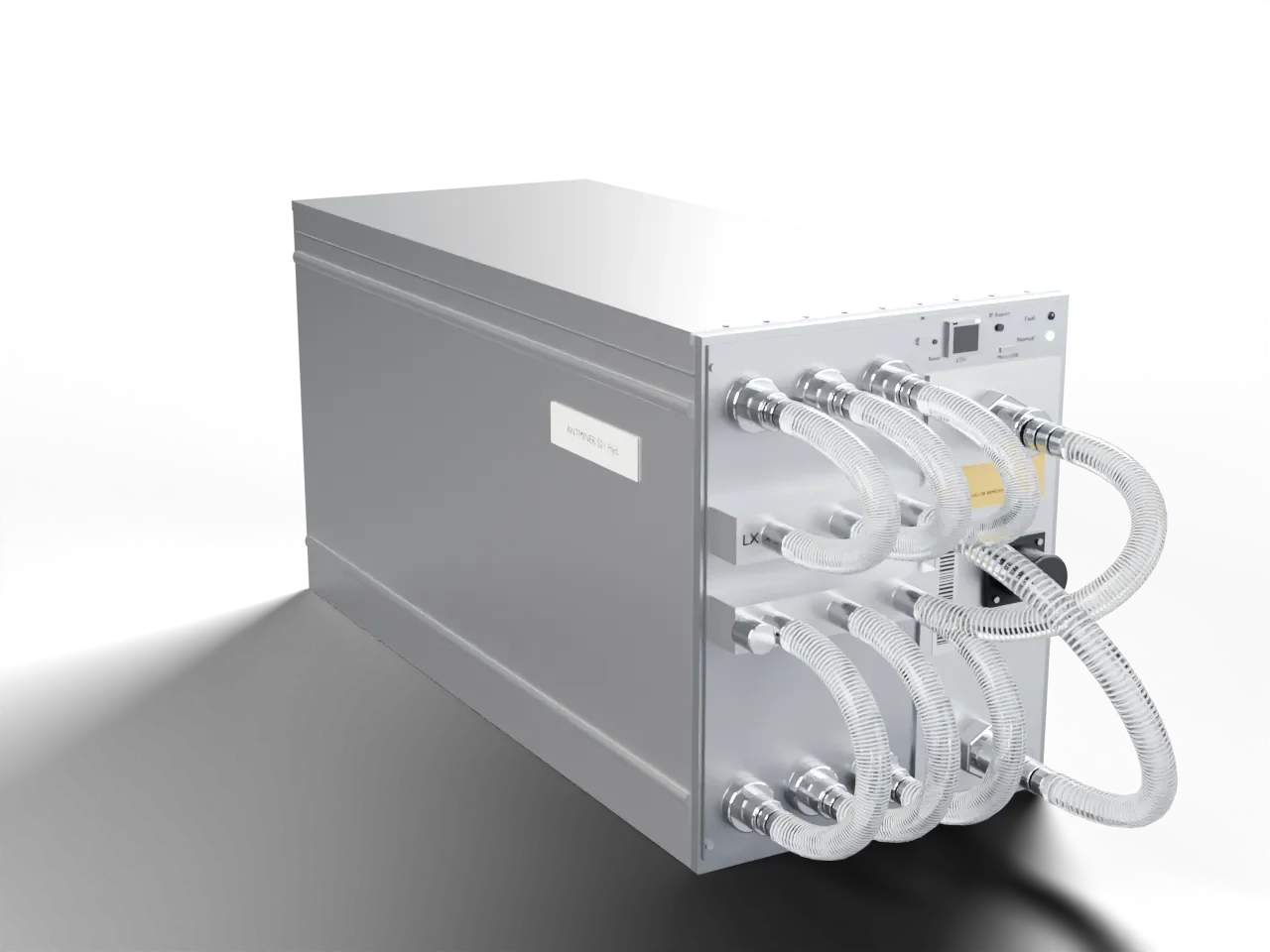
Ethiopia went from zero to one of the largest Bitcoin mining destinations in the world in under three years, on the back of hydropower that is cheap, green and, as 2026 has shown, not always available. We operate mining capacity in both the United States and Ethiopia, so this is a question we get from clients every week: is Ethiopia still a good place to host miners? Here is what has actually happened, what it means for a hosted fleet, and the questions to ask any host with machines there.
How Ethiopia became a mining hub
The story is the Grand Ethiopian Renaissance Dam and the rest of the country's hydro fleet. Ethiopia has roughly 5,200 MW of installed generation, almost all of it hydro, and for years it produced more power than its own grid could absorb or export. In 2022 the government opened "high-performance computing and data mining" to licensed operators, and miners arrived quickly: by October 2024 they were drawing around 600 MW, and in the 2024/25 fiscal year mining used close to one third of the country's electricity output and generated 35% of the state utility's revenue.
Electricity sales to miners earned Ethiopian Electric Power (EEP) about $220 million in 2024, nearly double what the country makes exporting power to its neighbours. EEP planned on $312 million for the year to June 2026. Close to 30 mining companies are licensed, with a similar number waiting, and independent estimates put Ethiopia at somewhere between 5% and 10% of the global Bitcoin hashrate.
The attraction is simple: some of the lowest-cost grid power available to miners anywhere, from a renewable source, in a country that welcomed the industry. That combination is rare.
What changed: curtailment
Hydropower depends on rain. In September 2026, after reservoir inflows fell about 20% in a weak, El Niño-affected rainy season, EEP cut deliveries to Bitcoin miners in stages: first to 75% of contracted power, then 50%, then 23%, according to CEO Ashebir Balcha. Households and manufacturers were prioritised. EEP said it would reassess reservoir levels in October 2026 and that further cuts, or restrictions on exports, were possible if water levels did not recover.
For a hosted miner this is the headline risk. A machine that runs 23% of the time earns 23% of its revenue while still carrying its full fixed cost. The curtailment is seasonal and tied to hydrology rather than permanent, but it is also the second time in a few years that a low-cost mining jurisdiction has reminded the industry that cheap power and firm power are different things. Kazakhstan went through the same cycle in 2021–22.
What changed: tariffs
The second change is price. In late 2025 EEP announced a multi-phase tariff increase for miners: roughly 30% from December 2025, rising to more than 80% above the previous rate by 2027. Even after the full increase Ethiopian power is expected to remain cheap by global standards, but the margin that made older, less efficient machines viable there is shrinking.
Put the two changes together and the economics look like this. At the late-September 2026 hashprice of about $40 per PH/s per day, an S19 XP breaks even at 7.7 cents per kWh and an S21 Pro at 11.1 cents (see our profitability breakdown). An 80% tariff increase on a very low base still leaves modern machines comfortably profitable in Ethiopia. What it removes is the case for shipping S19-generation machines there.
What this means for a hosted fleet
- Diversify sites. A fleet split between a hydro grid and a thermal or wind-backed grid in another country is far less exposed to a single dry season. This is why we run capacity in Montgomery, Missouri as well as Ethiopia, and publish both on our live operations page.
- Send your most efficient machines to the cheapest power. It sounds backwards, but when curtailment hits, you want the machines that earn the most per hour online to get the hours that remain. Old machines belong on the most reliable grid, not the cheapest one.
- Price curtailment into the contract. A hosting agreement should say what happens to your fees when the host cannot deliver power: fees should scale with delivered energy, not contracted energy.
- Watch the hydrological calendar. Ethiopia's main rainy season runs June to September. Reservoir levels after September set the risk for the following dry season. A host operating there should be able to tell you what their allocation is and how it changed through 2026.
Questions to ask any host with capacity in Ethiopia
- What percentage of contracted power did you receive each month of 2026, and how did it affect client uptime?
- Do hosting fees scale with delivered power during curtailment?
- What tariff are you paying now, and what is contracted for 2027?
- Do you have capacity on another grid where machines can be moved, and who pays the logistics?
- Can clients see live hashrate and power draw per site, not just a monthly report?
If a host cannot answer the first question with numbers, that is your answer.
Is Ethiopia still worth it?
For modern, efficient machines and for operators who treat it as one leg of a diversified fleet: yes. The power is still among the cheapest in the world, it is renewable, and the government has, so far, raised prices rather than banned the industry, which is a meaningful difference from how other jurisdictions have behaved. For S19-generation machines, or for anyone whose entire fleet would sit on one hydro grid, the 2026 curtailment is the warning to take seriously.
Talk to an operator, not a broker
We build, host and run mining sites ourselves and we repair the machines in them. If you are weighing Ethiopia against the United States for a new deployment, or looking to move an existing fleet, talk to our team and we will walk you through the real numbers for both sites.
Sources: crypto.news / Bloomberg, "Ethiopia cuts power to Bitcoin miners as El Niño strains hydropower" (15 September 2026); Shega, "Ethiopia flirts with a Kazakhstan moment as Bitcoin miners weigh exit" (November 2025); Capital Ethiopia, "Bitcoin sector revenues expected to double this year" (September 2025); Hashrate Index roundup (28 September 2026).