Short answer: yes, but only for a narrower group of operators than two years ago. In 2026 Bitcoin mining is profitable if you have efficient machines (roughly 17 J/TH or better), electricity below about 6 cents per kWh all-in, and the uptime to actually run them. Outside that envelope, most fleets are running at or below breakeven. Here is the arithmetic behind that answer, so you can plug in your own numbers.
The three numbers that decide it
Mining profit is not mysterious. It comes down to three inputs:
- Hashprice — what the network pays per unit of hashrate per day. At the end of September 2026 it was about $40 per PH/s per day (Hashrate Index), with a six-month forward market near $38. If you are new to the term, read our hashprice explainer first.
- Machine efficiency — joules per terahash. This fixes how much of your electricity turns into revenue. An S19j Pro needs 29.5 J/TH; an S21 XP needs 13.5; the S23 Hydro is rated at 9.5.
- Electricity price — the all-in cost per kWh delivered to the machine, including hosting fees, not the utility's headline tariff.
Everything else (pool fees, repairs, downtime, financing) matters, but those three set the ceiling.
Profit per machine at today's hashprice
Using $39.87 per PH/s per day and manufacturer-rated specs, here is the daily margin after electricity at three power prices that cover most hosted contracts:
Machine (rated)         TH/s   J/TH  Rev/day  Margin @4¢  @6¢    @8¢    Breakeven
Antminer S19j Pro        104   29.5   $4.15    +$1.20   -$0.27  -$1.74   5.6 ¢/kWh
Antminer S19 XP          140   21.5   $5.58    +$2.69   +$1.25  -$0.20   7.7 ¢/kWh
Antminer S21             200   17.5   $7.97    +$4.61   +$2.93  +$1.25   9.5 ¢/kWh
Antminer S21 Pro         234   15.0   $9.33    +$5.96   +$4.28  +$2.59  11.1 ¢/kWh
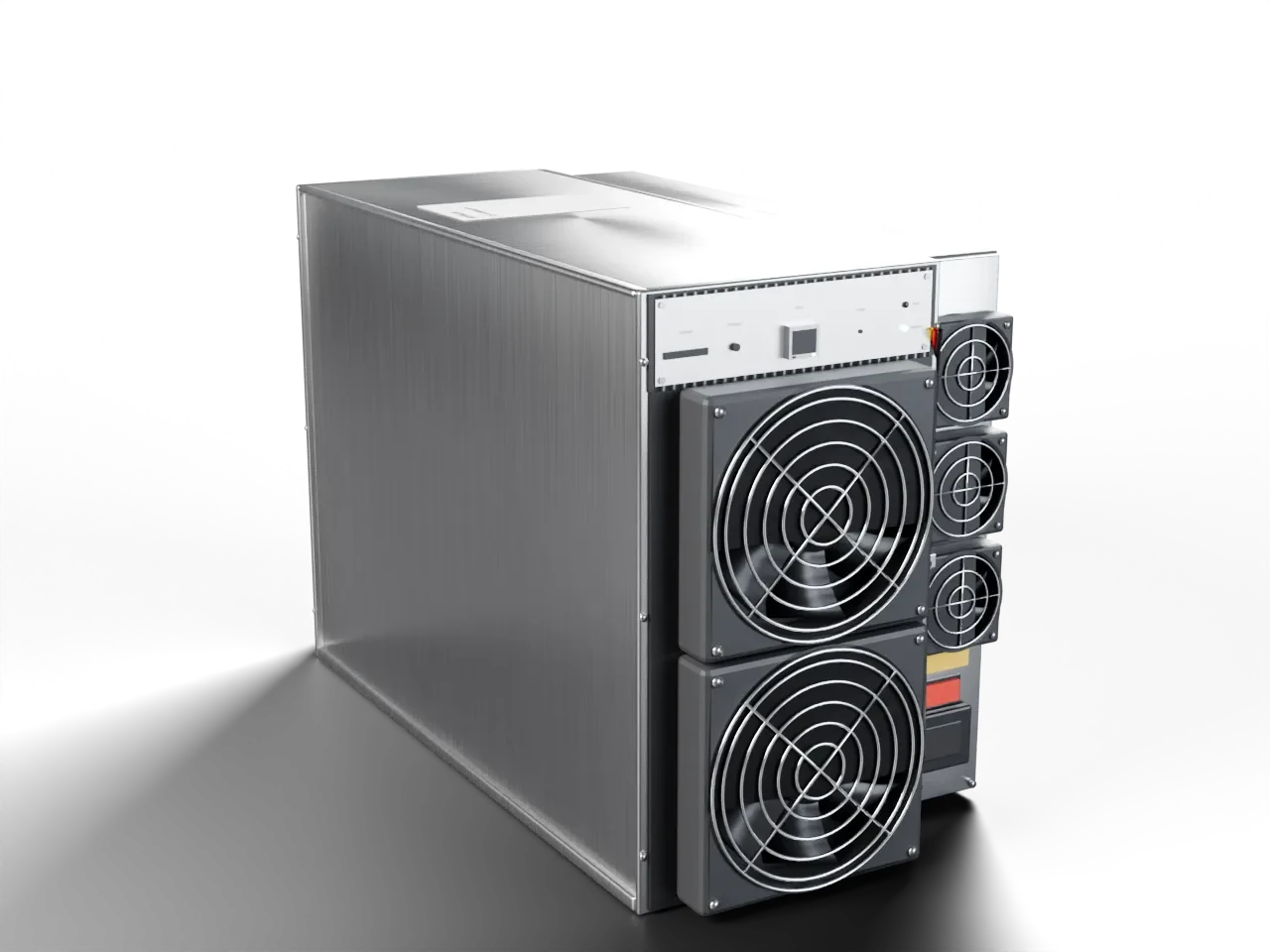
Antminer S21 XP          270   13.5  $10.76    +$7.27   +$5.52  +$3.77  12.3 ¢/kWh
Antminer S21 Hydro       335   16.0  $13.36    +$8.21   +$5.64  +$3.07  10.4 ¢/kWh
Antminer S21 XP Hydro    473   12.0  $18.86   +$13.41  +$10.69  +$7.96  13.8 ¢/kWh
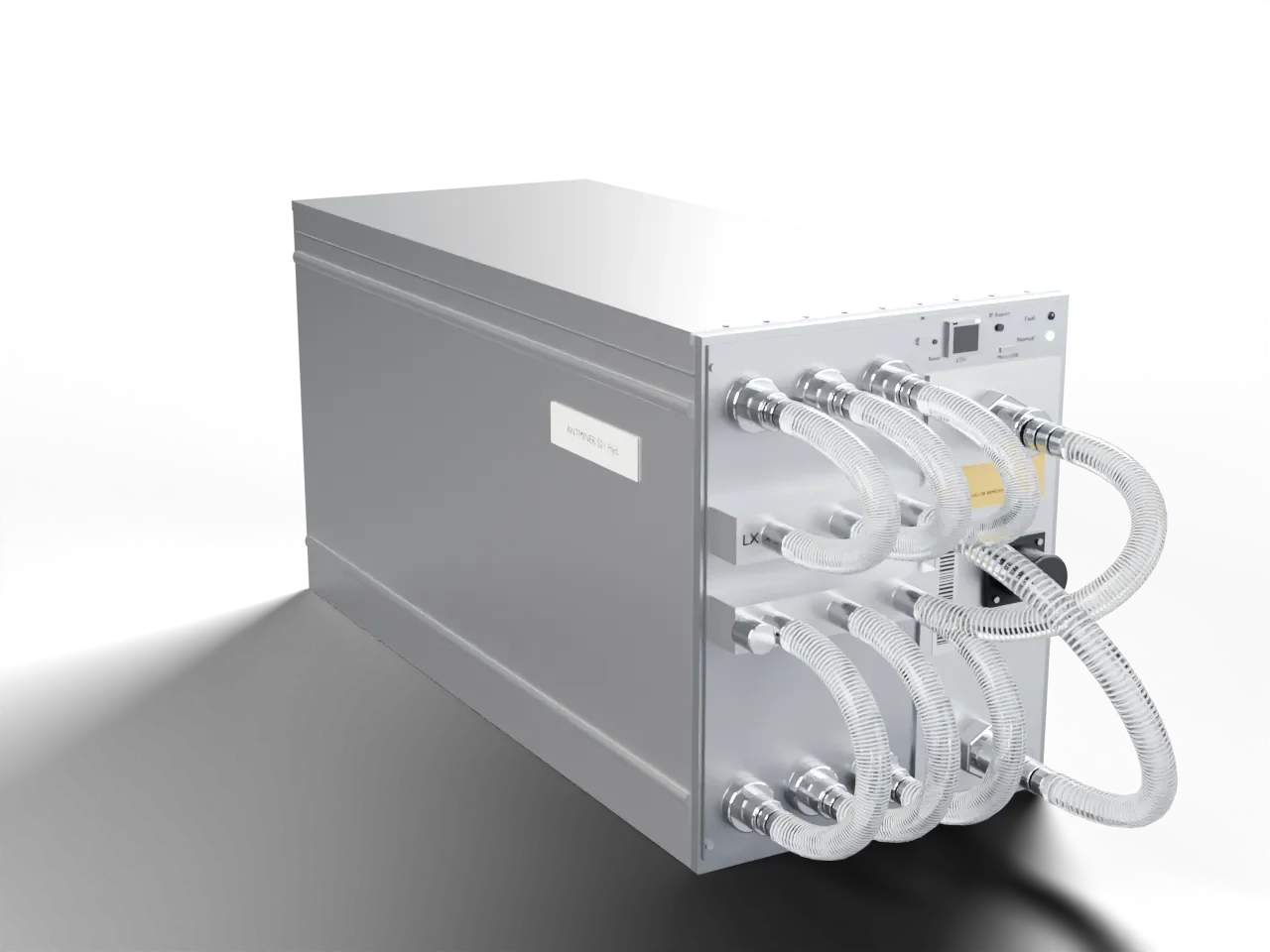
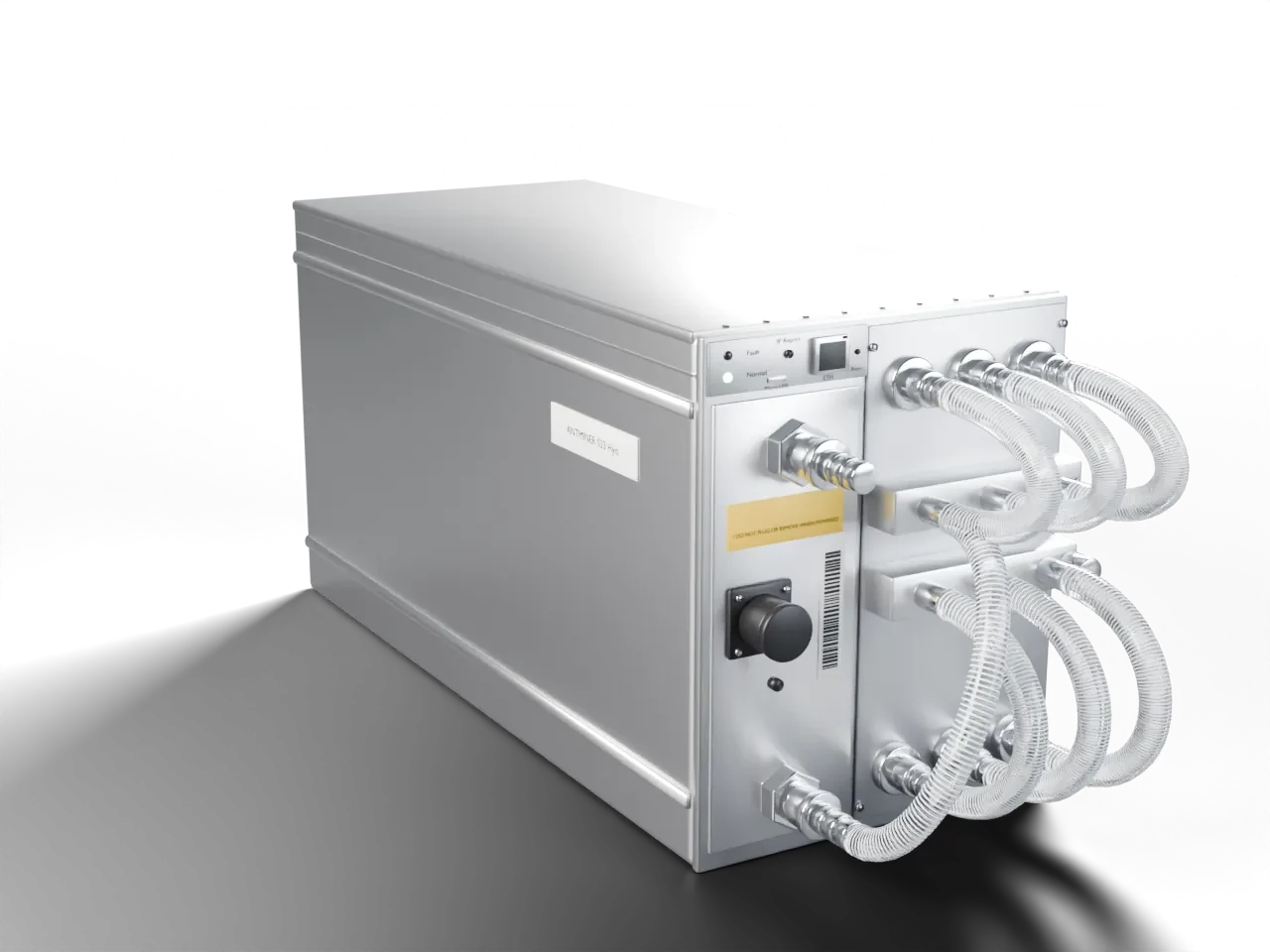
Antminer S23 Hydro       580    9.5  $23.12   +$17.83  +$15.19 +$12.55  17.5 ¢/kWh
Electricity only. Pool fees, hosting margin and repairs are not included.
The breakeven column is the number to remember. It is the electricity price at which a machine's revenue exactly equals its power bill. Anything you pay above it is a loss; everything below it is gross margin.
What changed in 2026
- Hashrate kept climbing. The network passed 950 EH/s in September 2026, up from about 600 EH/s in early 2025 and 350 EH/s in early 2024. Every new machine dilutes everyone else's share.
- Difficulty hit a record, then fell. It reached 138.96 T in June, then dropped 10% to 124.93 T on 14 June — the second-largest downward adjustment of the year — as unprofitable machines were switched off when Bitcoin slid toward $63,000. By late September it was back at 132.76 T.
- Price volatility squeezed margins. Bitcoin ranged from roughly $63,000 in June to $83,000 in late September. Analysts' difficulty-regression models put the average all-in production cost of one bitcoin near $84,000 in mid-2026, which means a large share of the network was mining at a paper loss for much of the year.
- Fees disappeared. Transaction fees were about 0.7% of block rewards in late September. In 2024, fee spikes occasionally rescued margins; in 2026 there is no such cushion.
- Power got more expensive in cheap places. Ethiopia, one of the lowest-cost grids open to miners, announced tariff increases of roughly 30% from December 2025 and more than 80% by 2027, and curtailed miners to 23% of contracted power in September 2026 after a weak rainy season. Cheap power is not the same as stable power.
The costs people forget
The table above is gross margin. Real fleets carry four more line items:
- Pool fees — typically 0% to 2.5% of revenue, taken before you see it.
- Uptime — a site with 95% uptime loses 18 days of revenue per year. Curtailment programmes can take more, though some pay you for the power you give back.
- Repairs — hashboards fail. On an S19 fleet a few years old, expect a steady trickle of boards per month. A failed board is a third of the machine's revenue gone until it is fixed, which is why fast turnaround matters more than the repair price itself. Our per-board pricing is designed around that.
- Capital cost — a new S21 Pro that earns about $4.30 per day net of electricity at 6 cents takes a long time to pay back its purchase price, and that payback period is what the 2028 halving threatens.
The 2028 halving changes the answer
Around April 2028 the block subsidy drops from 3.125 to 1.5625 BTC. If Bitcoin's price and the network's hashrate stayed exactly where they are, hashprice would halve to about $20 per PH/s per day. Re-run the table at that level and the picture is stark:
- Every S19-class machine is unprofitable at any hosted power price above 4 cents.
- An S21 Pro breaks even at about 5.5 cents per kWh.
- Only machines under about 12 J/TH keep a margin at 6 cents, and only the sub-10 J/TH generation (S23 Hydro class) still earns at 8 cents.
Historically the price has risen into and after halvings and difficulty has adjusted as old machines leave, so the real outcome is never that mechanical. But a fleet bought in 2026 has to be planned to survive 2028, not just today.
So who is still making money?
- Operators with sub-5-cent power and modern machines. At 4 cents an S21 XP earns over $7 a day net of electricity; an S23 Hydro almost $18.
- Hosted miners who picked the right site. The difference between a 4-cent and an 8-cent all-in rate is the entire margin of an S21. Site selection is now more important than machine selection.
- Fleets with high uptime and fast repairs. At thin margins, a week of downtime on a container wipes out a month of profit.
What to do with an S19 fleet
If you still run S19j Pros or S19 XPs, you have three realistic options: move them to power below 5 cents, sell them while they still have resale value, or keep them as curtailable capacity that only runs when hashprice spikes. Repairing them is only worth it when the repaired board will earn back its cost within a few months, which at today's hashprice means power below about 4 cents.
Frequently asked questions
Is it still profitable to mine Bitcoin at home?
Rarely. Residential electricity in Europe and most of the US is 15 to 30 cents per kWh, well above the breakeven of every machine in the table. Home mining in 2026 is a hobby or a heating project, not a business.
How much does one Antminer S21 Pro earn per day?
About $9.30 gross at late-September 2026 hashprice, or roughly $4.30 after electricity at 6 cents per kWh, before pool fees and hosting margin.
What is a good electricity price for Bitcoin mining in 2026?
Under 5 cents per kWh all-in is good; 5 to 7 cents works for modern machines only; above 8 cents is loss-making for almost everything.
Want the calculation done for your machines?
We host, run and repair ASIC fleets in the United States and Ethiopia, and we publish our sites' hashrate, power draw and uptime on our live operations page. Send us your machine list and we will come back with a breakeven and payback estimate at our power prices: talk to our team.
Sources: Hashrate Index roundup, 28 September 2026; The Block, "Bitcoin mining difficulty drops 10%" (June 2026); crypto.news, "Ethiopia cuts power to Bitcoin miners" (September 2026); Shega, on Ethiopian tariff increases (November 2025); manufacturer rated specifications. Hashprice moves daily; re-run the numbers before acting.